Home/Blog/E-commerce

How to Create and Manage WooCommerce Coupon Codes (Without Losing Revenue)

Creating and managing WooCommerce coupon codes without losing revenue. A WooCommerce coupon code is a discount you create in wp-admin under Marketing > Coupons, using one of three native discount types: percentage discount, fixed cart discount, or fixed product discount. Each coupon can carry its own usage limit, usage restriction, and expiry date to control […]
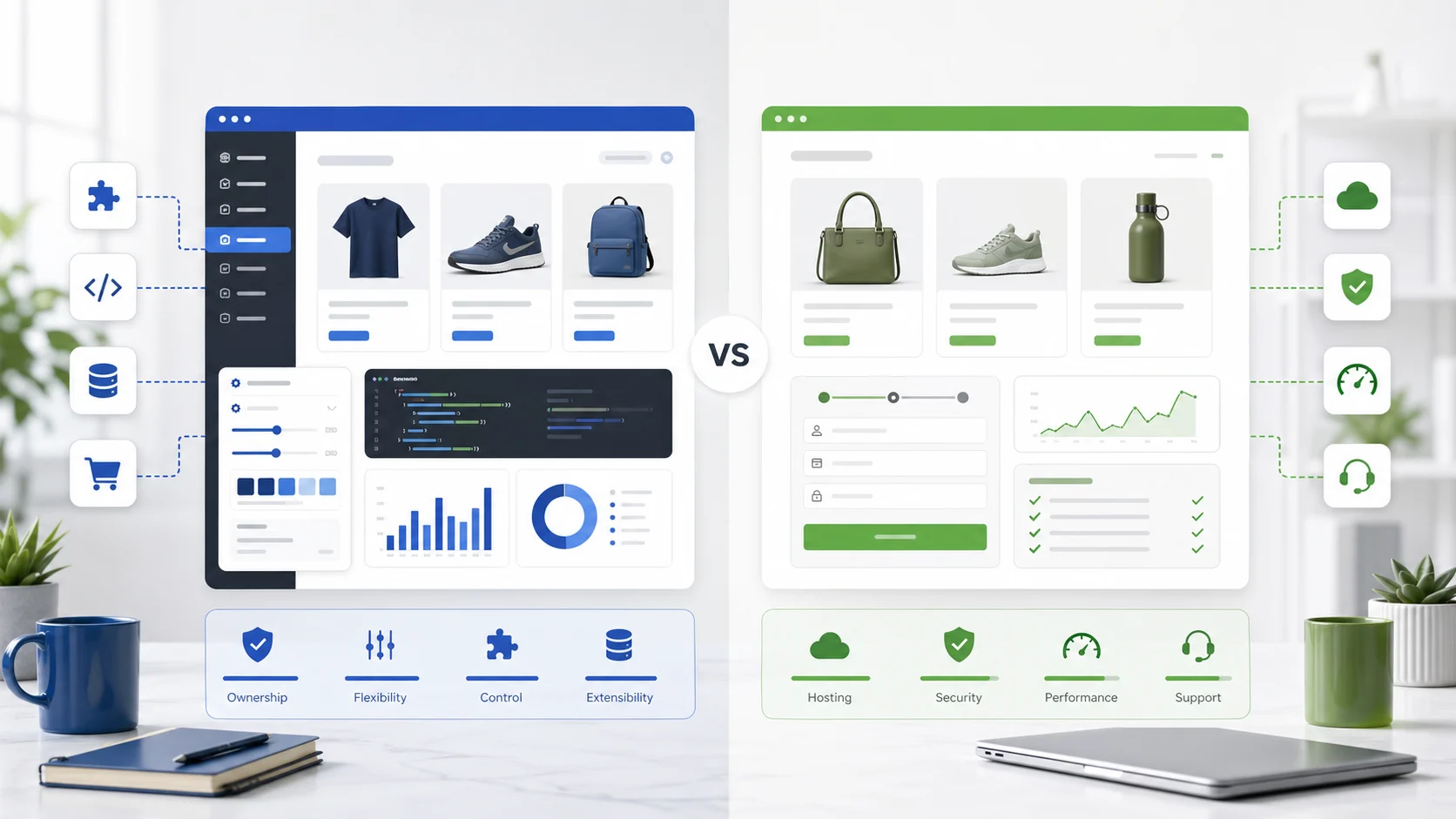
WordPress WooCommerce Alternative: 7 Best Options for 2026

The best WordPress WooCommerce alternative depends on what you sell: Easy Digital Downloads for digital products, SureCart or Ecwid for a lightweight plugin, and Shopify, BigCommerce, Wix, or Squarespace as fully hosted platforms.

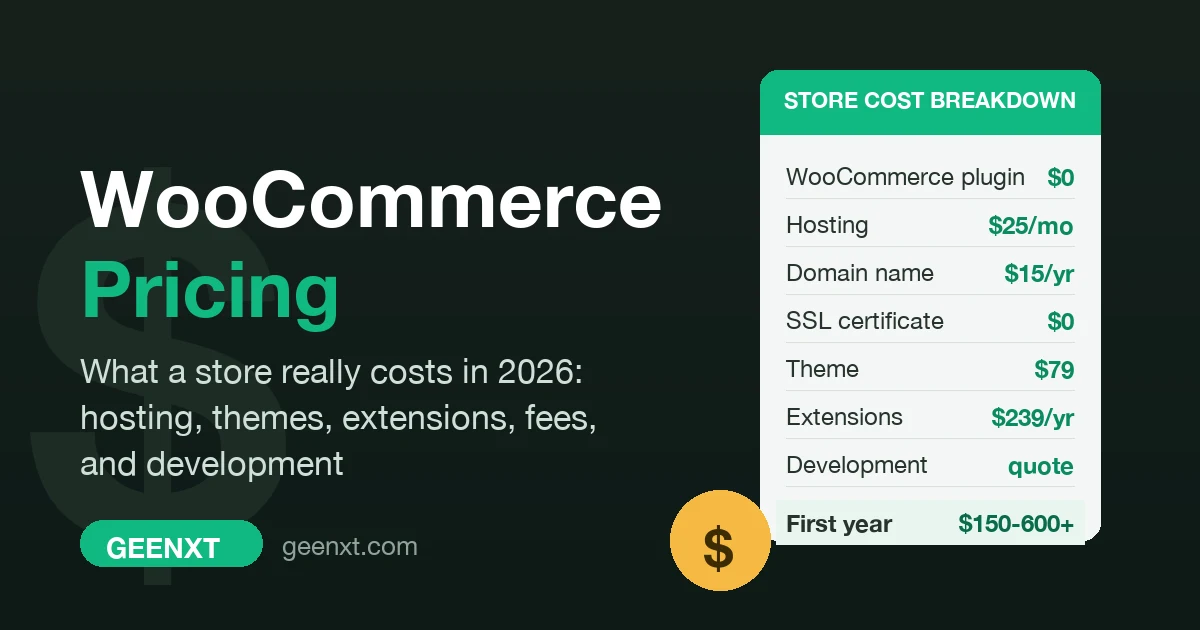
WooCommerce Pricing: What a Store Really Costs in 2026

A line-item WooCommerce pricing breakdown: what a store really costs in 2026. WooCommerce is free to install, but a working store never is. Run it yourself on a lean stack and budget $150 to $600 a year for hosting, a domain, and a couple of paid extensions. Hire someone to build it properly and development […]

WooCommerce Development Agency for Store Builds That Sell

GEENXT builds, rescues, and optimizes WooCommerce stores end to end. A WooCommerce development agency designs, builds, and maintains online stores on WordPress and WooCommerce. Unlike a general web development company, it specializes in ecommerce: product architecture, checkout flows, payment integrations, and store performance. Businesses hire one to launch a new store, rebuild an underperforming site, […]

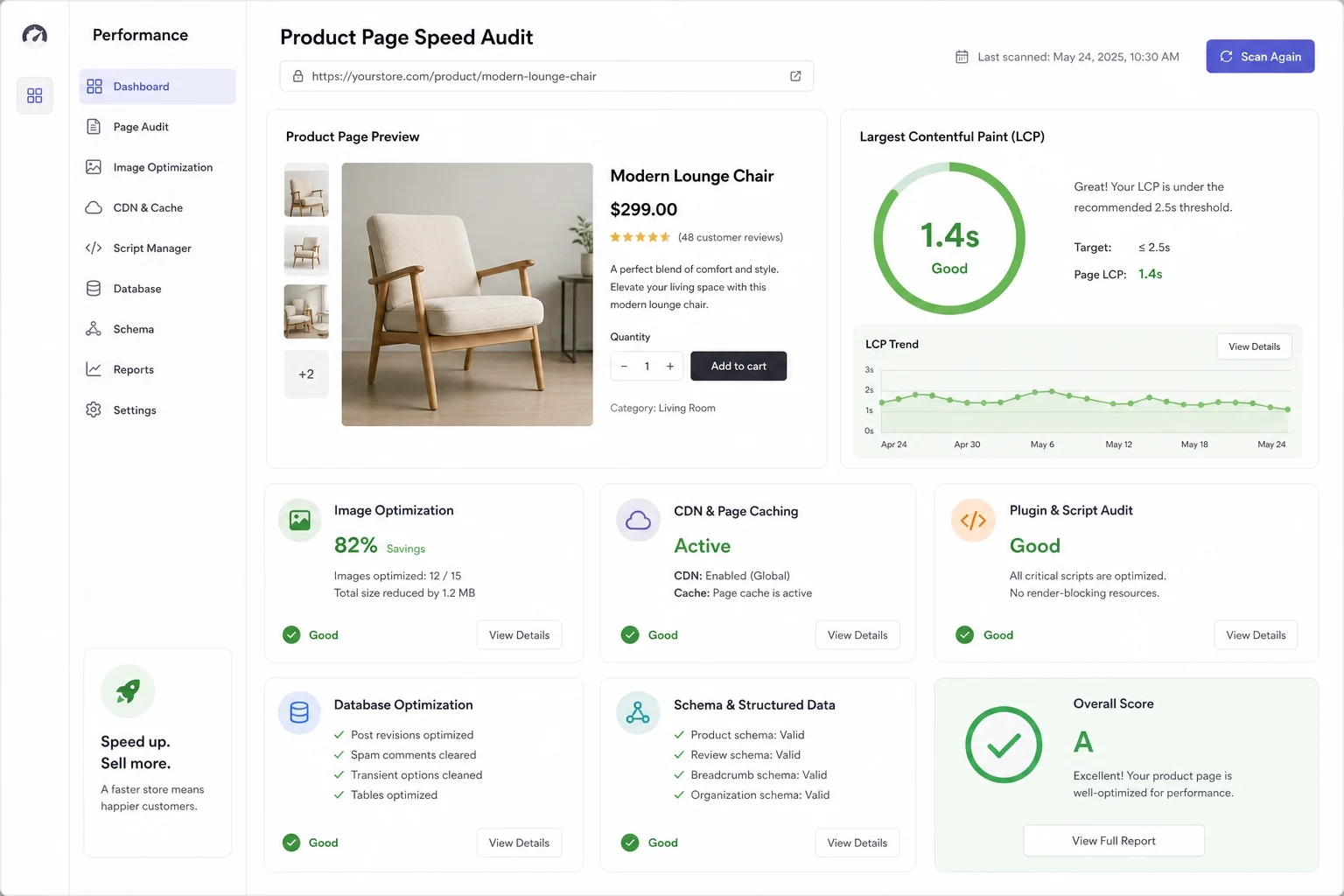
How to speed up WooCommerce product and category pages

Slow WooCommerce product pages can hurt rankings, conversions, and paid traffic efficiency. This guide shows how to improve product and category page speed with better hosting, caching, image optimization, CDN setup, database cleanup, plugin control, and focused page testing.

Best WordPress Hosting for WooCommerce Stores in 2026

The best WordPress hosting for WooCommerce depends on catalog size, order volume, checkout load, plugin complexity, and scaling needs. This guide compares current server requirements, SiteGround, Cloudways, managed hosting models, SKU-count fit, caching, backups, staging, and the warning signs that a store has outgrown its plan.